The buzz around EMDR is not by coincidence. Some have even called it “magic,” while others find it hard to fully believe in it until they experience it for themselves. Needless to say, EMDR can act as a powerful vessel for healing. Here, we will explore who may benefit from EMDR and what the process typically looks like.
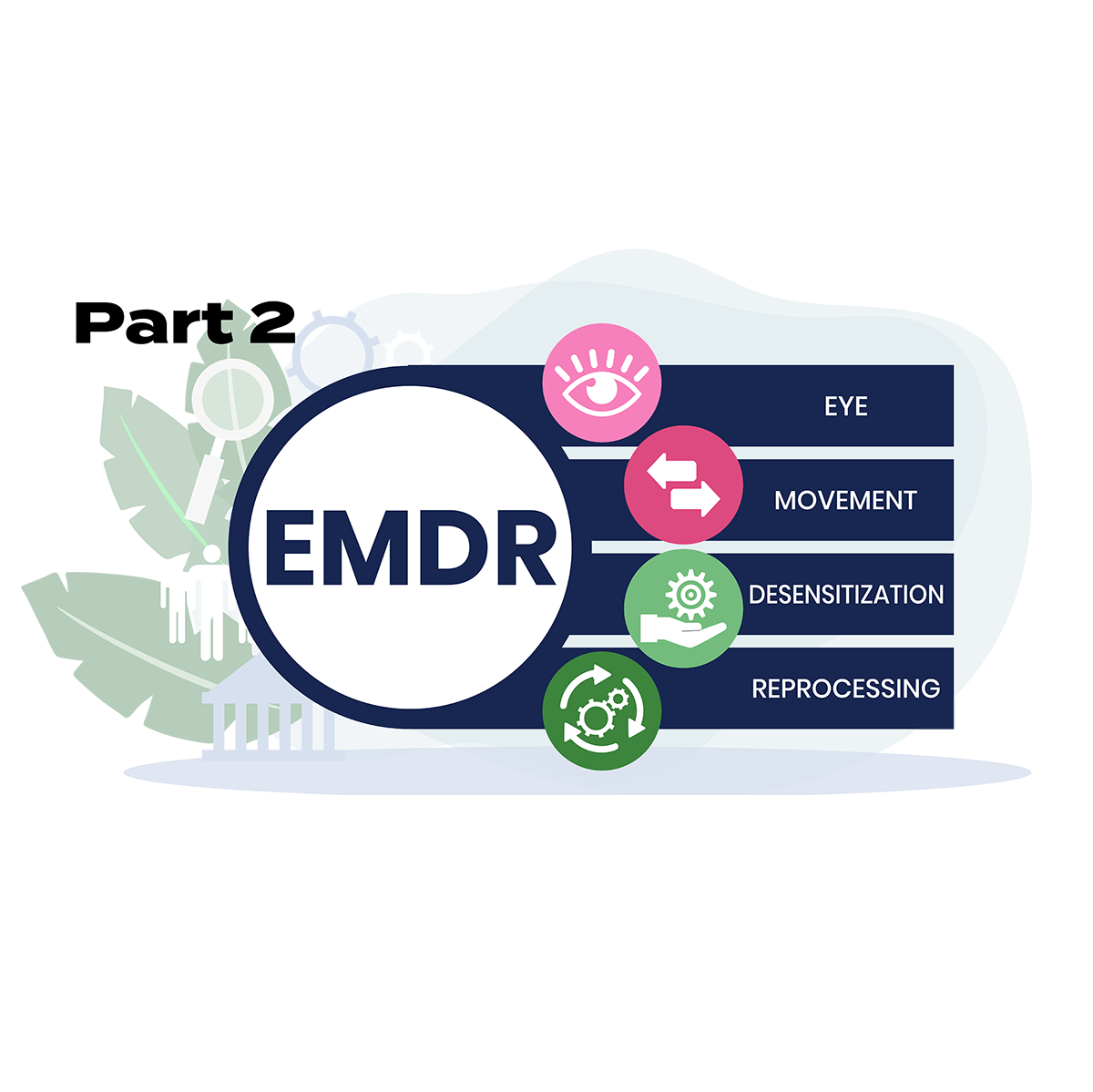
As mentioned in Part 1, EMDR is an evidence-based therapy used to help reduce the symptoms and negative beliefs attached to traumatic and distressing memories. A common misconception is that EMDR can only be used to treat “big” trauma (Trauma with a “T”). In reality, EMDR defines trauma much more broadly.
In EMDR, trauma is any experience that overwhelms the nervous system or creates lasting distress--experiences that may not seem dramatic on the surface, but that still leave an imprint on the mind and body.
Oftentimes, trauma shows up in many forms and continues to build as we move through life carrying the messages created by our experiences (for example: “I’m unloveable, I’m unwanted, I’m stupid,” etc.). These beliefs can quietly shape how we see ourselves, relate to others, and move through the world. Because of this, EMDR can be helpful for a wide range of disorders, symptoms, concerns and challenges, including:
At its core, EMDR helps address the root of the symptoms--not just the symptoms themselves.
What Does an EMDR Session Look Like?
With any therapeutic process, the relationship between the therapist and client plays a key role. A trained clinician will spend the necessary time building trust, safety, and rapport before beginning EMDR. From there, the therapist will guide you through the “preparation” phase, where you will develop resources such as a calm place and a container--tools used to help regulate and ground you throughout the entire process.
Once the client is able to self-regulate using these resources, time is spent discussing and exploring the presenting problem. After a target is identified, and following a few additional important steps, the reprocessing phase can begin. During reprocessing the client focuses on a memory while engaging in bilateral stimulation (eye movements, tapping, tones guided by the therapist). Your brain does the work; your role is to simply notice what comes up.
There is no “right” way to do EMDR, and you are always in control.
Many people report feeling lighter, clearer, or more grounded after sessions. Others notice shifts over time, such as few emotional reactions, less body tension, or changes in how they view themselves or past experiences.
Is EMDR Right for You?
EMDR is not a one-size-fits-all approach and may not be the right fit for everybody. That said, it can be an incredibly powerful option for those who feel stuck in patterns that talk therapy alone hasn’t been able to shift. Healing doesn’t require reliving pain--It requires giving the brain what it finally needs to let go.
If you are curious about EMDR or wondering if it might be a good fit for you, connect with one of our trained therapists. We are here to help you explore your options and determine which path may be most supportive for your healing.